
Introduction to Vegetable Pancakes (Yachaejeon)
Vegetable pancakes, often known as Yachaejeon, are a delightful dish that deserves a spot in the kitchens of young professionals. Imagine a crispy, golden pancake, filled to the brim with a variety of fresh vegetables, providing not only flavor but also nutritional goodness. Perfect for a quick lunch or dinner, these pancakes come together easily, making them ideal for those busy weekdays when time is short but you still want to eat well.
Why are vegetable pancakes a must-try for young professionals?
For young professionals, maintaining a balanced diet can be a challenge amid busy schedules. Vegetable pancakes are not only a delicious solution but also a versatile one. Here’s why you should give them a try:
- Quick Prep: With just a handful of ingredients, they come together in no time. You can even prep the veggies ahead of time!
- Nutrient-Rich: Packed with vitamins and minerals, they're a fantastic way to incorporate more vegetables into your diet. Check out health resources like Nutrition.gov for more on the benefits.
- Customizable: Feel free to swap vegetables based on what you have on hand. Got some leftover zucchini or bell peppers? Toss them in!
- Comfort Food: They can evoke fond memories, much like how they remind me of my grandmother’s cooking during family gatherings.
Give Yachaejeon a go, and you’ll find yourself hooked on this easy and satisfying dish that exemplifies the joy of cooking!
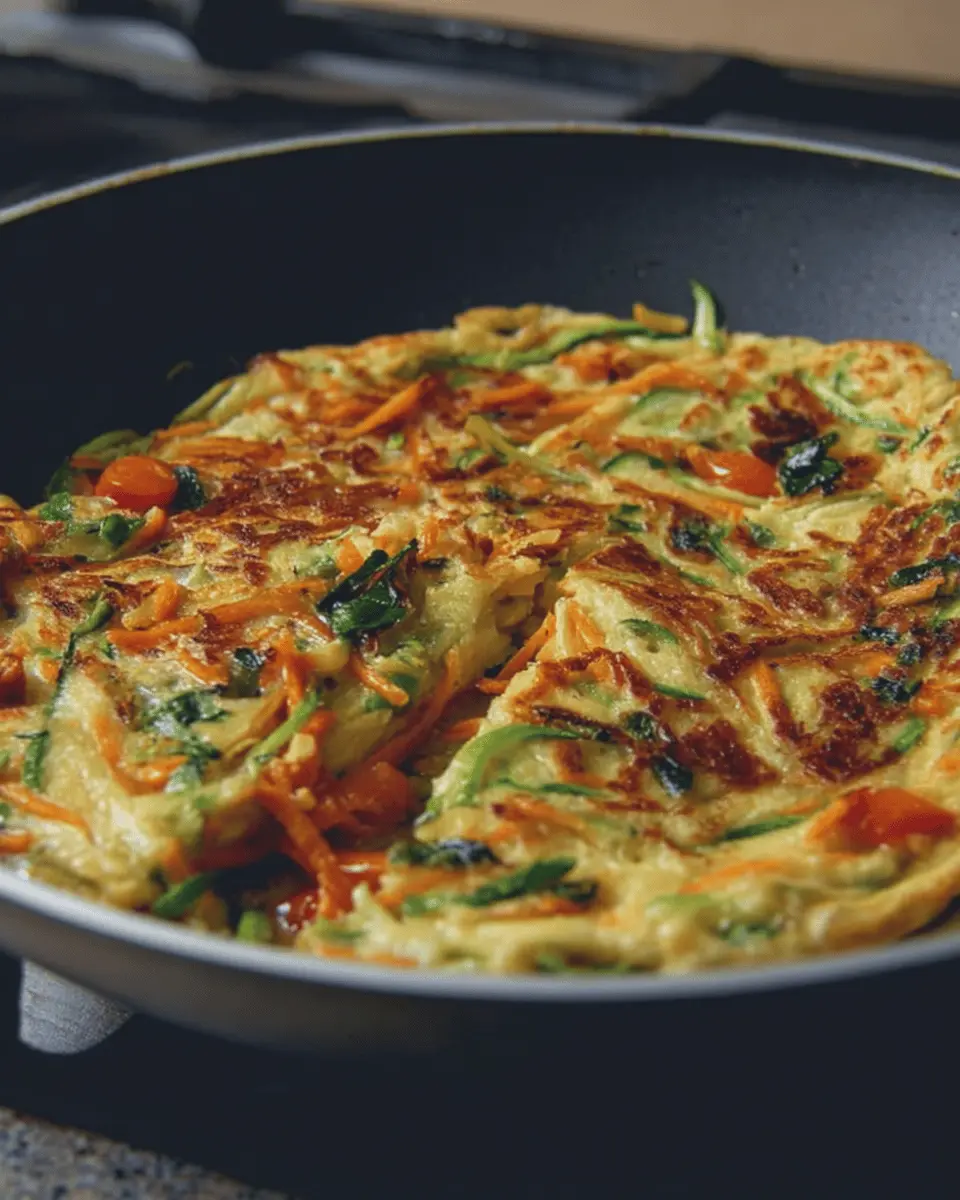
Ingredients for Vegetable Pancakes
Essential ingredients for a perfect yachaejeon
Creating delightful vegetable pancakes is all about using fresh, vibrant ingredients. Here’s what you’ll need for your ideal yachaejeon:
-
2½ to 3 cups of sliced vegetables: Get creative! Use ingredients like:
-
4 green onions, cut into 1-inch pieces
-
⅓ cup thinly sliced leek (optional)
-
3 ounces of zucchini matchsticks
-
1 green chili pepper, sliced (or jalapeño for a kick)
-
3 ounces of sliced onion
-
⅓ cup sweet potato, shredded
-
1 fresh mushroom (baby portobello or shiitake work great)
-
For the batter:
-
¾ cup all-purpose flour
-
½ teaspoon kosher salt
-
¾ cup water
-
Vegetable oil for cooking
Optional ingredients to customize your pancake
Vegetable pancakes are versatile! Feel free to mix in additional flavors such as:
- Fresh herbs: Consider adding chopped perilla leaves (kkaenip) or Asian chives (buchu) for enhanced taste.
- Other vegetables: Carrots, bell peppers, or even broccoli could be great for texture and nutrition.
The beauty of this recipe lies in its flexibility—experiment to find your favorite combinations! For more tips on using seasonal vegetables, check out resources like EatingWell.
Step-by-step Preparation of Vegetable Pancakes
Making vegetable pancakes, or Yachaejeon, is a delightful way to celebrate spring's bounty! Here’s a friendly, step-by-step guide on how to whip up these crispy, delicious pancakes. Trust me, your taste buds will thank you!
Gather and prepare your ingredients
Before diving into the cooking, it’s essential to gather all your ingredients. You will need:
-
Vegetables (about 2½ to 3 cups total):
-
4 green onions, cut into 1-inch pieces
-
⅓ cup thinly sliced leek (optional)
-
3 ounces zucchini, cut into matchsticks
-
1 green chili pepper, sliced (optional)
-
3 ounces sliced onion
-
⅓ cup sweet potato, julienned
-
1 fresh mushroom (white, baby portobello, or shiitake)
-
Batter:
-
¾ cup all-purpose flour
-
½ teaspoon kosher salt
-
¾ cup water
-
Vegetable oil for frying
-
Dipping sauce:
-
1 tablespoon soy sauce
-
2 teaspoons white vinegar
-
1 teaspoon Korean hot pepper flakes (gochugaru), optional
-
1 teaspoon toasted sesame seeds
Make the dipping sauce
Start by preparing the dipping sauce, which is crucial for that extra zing!
- In a small bowl, combine the soy sauce, vinegar, hot pepper flakes (if you’re feeling adventurous), and sesame seeds.
- Mix well until everything is well combined and set it aside to let the flavors meld.
Prepare the vegetable batter
Now it’s time for some batter magic!
- In a large bowl, mix your sliced vegetables—green onion, leek, zucchini, chili, onion, and sweet potato.
- Add the flour, salt, and water, and stir until everything is well coated. The batter should be thick yet pourable.
This step is where you can really get creative! Feel free to add any other vegetables you love.
Cook the vegetable pancake in the skillet
Let’s bring that batter to life!
- Heat up a large non-stick skillet over medium-high heat. If you only have a smaller skillet, you can make individual pancakes instead.
- Add about 2 tablespoons of vegetable oil, swirling it around to coat the skillet evenly.
- Pour in your vegetable batter, spreading it out evenly to form a large pancake.
- Turn down the heat to medium and gently lay sliced mushrooms on top, pressing them down a bit.
Perfectly flip and finish cooking
Now comes the thrilling part—flipping!
- Cook for about 4 to 5 minutes, or until the bottom is golden brown and crispy.
- To flip, grab the handle of the skillet and give it a little twirl to loosen the pancake.
- Carefully flip it over with a spatula. Increase heat to medium-high, adding a little more oil around the edges to ensure a nice crispy finish.
- Cook for another 3 to 4 minutes, then give it one last flip for good measure. By the end, you want both sides to be perfectly golden brown!
Your vegetable pancake is now ready to be served, preferably hot alongside that tantalizing dipping sauce. Enjoy a bite that bursts with texture and flavor!
If you want more details or variations, check out the full recipe on Maangchi's website. Happy cooking!
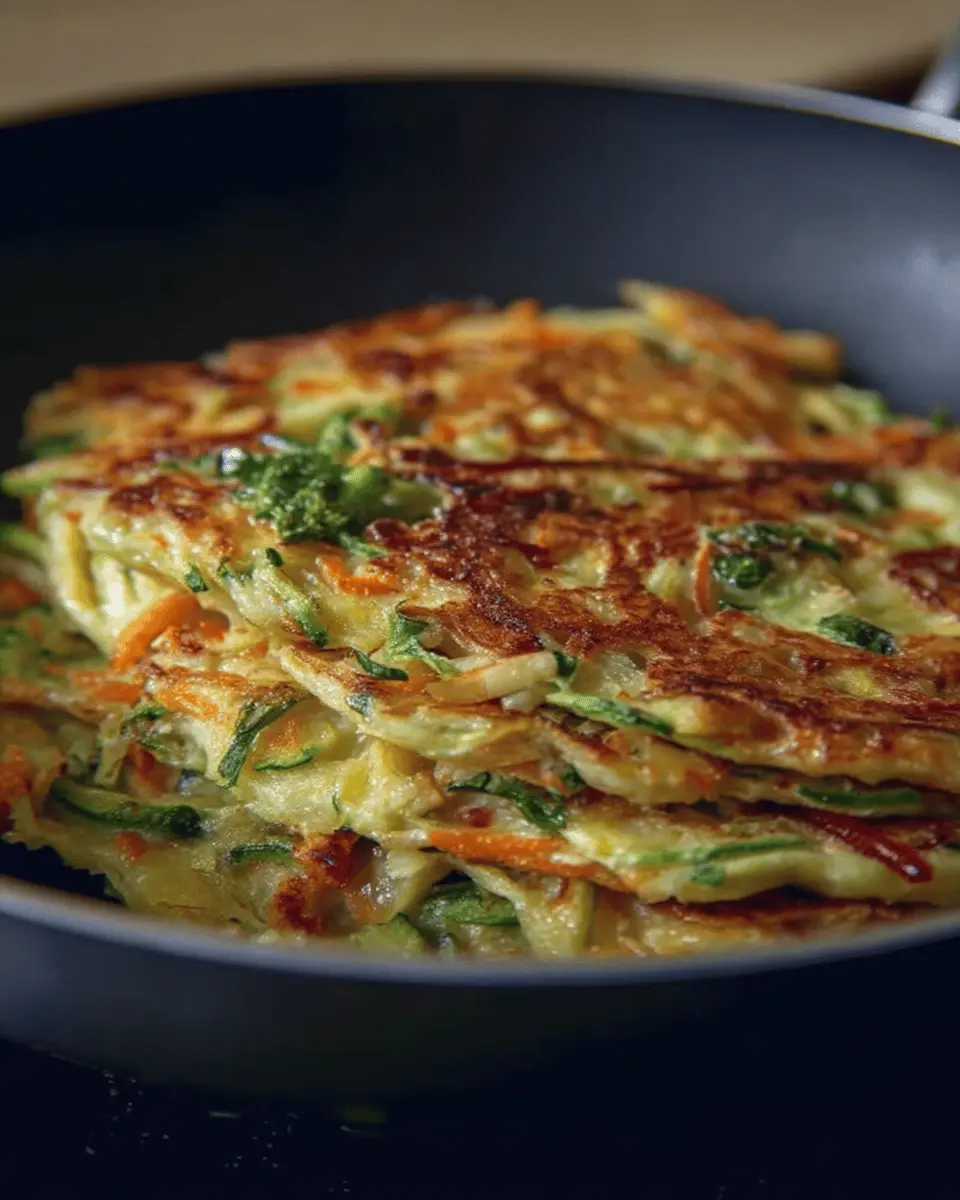
Variations on Vegetable Pancakes
Spicy Vegetable Pancake Variation
For those who crave a kick, try a spicy vegetable pancake by incorporating diced jalapeños or a sprinkle of crushed red pepper flakes into your batter. You can also mix in spicy kimchi for an extra layer of flavor—it's a delightful twist! Topped with a drizzle of sriracha or a tangy chili sauce, this variation will surely awaken your taste buds.
Gluten-Free Vegetable Pancake Option
If you’re avoiding gluten, don’t fret! Simply replace the all-purpose flour with a gluten-free flour blend. You can also try chickpea flour for a nutritious boost. Just ensure your vegetable pancake batter has the right consistency by adjusting the amount of water as necessary. Whether you're gluten-sensitive or just looking for healthier choices, this option keeps the flavor and crunch intact.
Experimenting with these variations not only caters to different dietary needs but also keeps your meals exciting. Enjoy the tasty journey!
Cooking Tips and Notes for Vegetable Pancakes
Tips for Achieving the Perfect Texture
To ensure your vegetable pancake has that crispy, golden-brown exterior and a soft inside, consider these tips:
- Don’t Overmix: Combine the batter just enough to moisten the flour. Overmixing can result in a dense pancake.
- Heat Matters: Start cooking on medium-high heat to get that nice crunch. Adjust the temperature as needed once you see the edges starting to brown.
- Use Enough Oil: Generously oil the skillet to help achieve that crispiness. It shouldn't drown the pancake, but a good coating makes a difference.
Common Mistakes to Avoid
Even seasoned cooks can miss the mark with vegetable pancakes. Watch out for these common pitfalls:
- Skipping the Slice: Be sure to slice your veggies thinly. Thick pieces can lead to uneven cooking and soggy spots.
- Ignoring the Dampness: After washing, let your veggies dry thoroughly or pat them down—excess moisture can turn your batter gooey.
- Using Stale Flour: Ensure your flour is fresh; stale flour can affect both flavor and texture.
By following these tips, your vegetable pancakes will be a delightful dish, bursting with freshness and flavor! For more on delicious Korean recipes, check out Maangchi’s YouTube Channel.
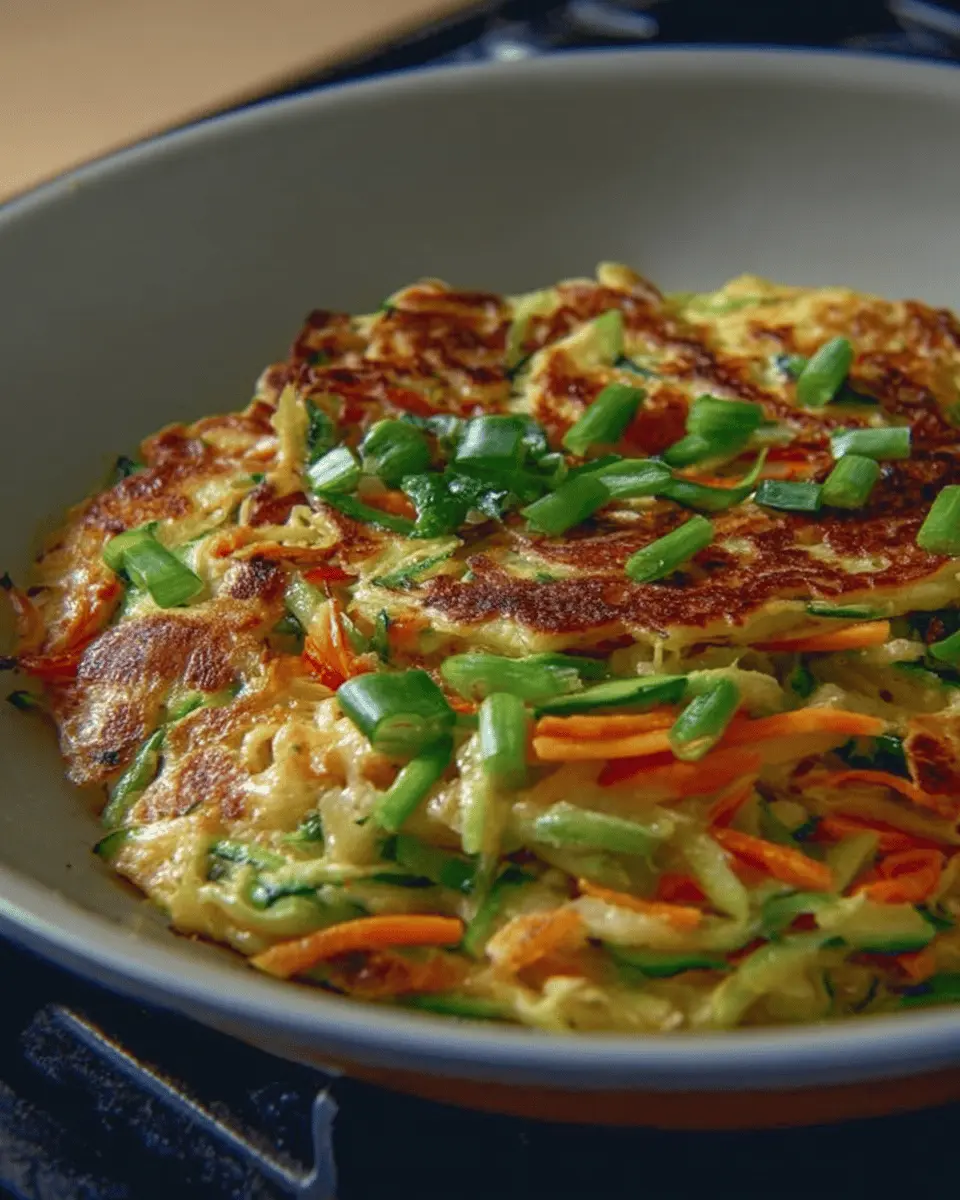
Serving Suggestions for Vegetable Pancakes
Pairing Ideas for a Complete Meal
To elevate your vegetable pancake experience, consider pairing it with a vibrant side salad. A mix of fresh greens, chopped cucumber, and a light vinaigrette balances the dish perfectly. You could also serve it alongside some turkey bacon or chicken ham for added protein. If you're in the mood for a comforting twist, a bowl of warm miso soup can be a delightful addition.
Creative Serving Styles
Get playful with how you present your vegetable pancakes! Stack them high on a wooden board for a picnic-style meal, or slice them into wedges for easy sharing. Drizzling a bit of your favorite dipping sauce on top adds an attractive touch and extra flavor. For an authentic Korean experience, serve them on a traditional plate with a side of kimchi. If you want to impress friends, consider making mini pancakes for appetizers during gatherings—perfect finger food that’s fun to eat!
Time Breakdown for Vegetable Pancakes
Preparation time
Getting everything ready for your delicious vegetable pancakes will take about 15 minutes. Use this time to chop your vegetables and mix your batter, ensuring that you have everything at hand for cooking.
Cooking time
Cooking the pancakes will take approximately 10-15 minutes. Keep an eye on them as you want to achieve that perfect golden-brown crust!
Total time
In total, the entire process from start to finish will take around 30 minutes. It’s a quick and rewarding dish that’s perfect for any meal of the day!
For more information on cooking tips, check out resources like Serious Eats, where you can find in-depth guides tailored for home cooks like you.
Nutritional Facts for Vegetable Pancakes
When diving into the delicious world of vegetable pancakes, it’s essential to know what you’re fueling your body with. Here’s a quick snapshot of the nutrition you can expect from this flavorful dish:
Calories
A typical serving of vegetable pancake packs around 150-200 calories, making it a light yet satisfying option for any meal.
Protein Content
These pancakes are not just tasty; they also offer a decent protein boost, with about 4-6 grams per serving, thanks to the combination of vegetables and flour.
Sodium Level
With a moderate sodium content of around 200-300 milligrams, it’s easy to keep this dish heart-healthy by adjusting seasoning and dipping sauce ingredients.
For deeper insights into the benefits of incorporating vegetables into your meals, consider checking resources from the Harvard T.H. Chan School of Public Health. Understanding your food choices can empower you to enjoy delicious recipes like vegetable pancakes while nourishing your body.
FAQs about Vegetable Pancakes
Can I use frozen vegetables for the batter?
Absolutely! Using frozen vegetables is a convenient option when fresh ones aren’t available. Just make sure to thaw and thoroughly drain them to avoid excess moisture in your batter. This ensures that your vegetable pancakes remain crispy rather than soggy.
How can I make my pancakes extra crispy?
For the ultimate crispy texture, consider these tips:
- Use a good non-stick skillet and ensure it’s hot before adding the batter.
- Increase the amount of oil in the pan—don’t be shy!
- You can also try adding a little cornstarch or using a blend of flours in the batter for that extra crunch.
What dishes pair well with vegetable pancakes?
Vegetable pancakes are versatile and can be enjoyed with a variety of sides:
- Serve them with a refreshing salad for a balanced meal.
- Pair them with a sweet-soy dipping sauce for a flavorful kick.
- Consider serving them alongside grilled chicken or turkey bacon for a hearty brunch option.
Enjoy your culinary adventures with these delightful pancakes! For more tips and recipes, check out Maangchi’s website.
Conclusion on Vegetable Pancakes
In summary, vegetable pancakes are a delightful dish that celebrates the vibrant flavors of fresh produce. Whether enjoyed as a snack or a main course, they are simple to prepare and versatile enough to suit any palette. Try them out, and savor the crunch of these nostalgic treats!
Vegetable pancake
Equipment
- non-stick skillet
Ingredients
Vegetables
- 4 pieces green onions cut into 1 inch long
- ⅓ cup leek optional, sliced thinly
- 3 ounces zucchini matchsticks
- 1 piece green chili pepper optional, sliced
- 3 ounces onion sliced
- ⅓ cup sweet potato
- 1 piece fresh mushroom white, baby portobello, or shiitake
Pancake Batter
- ¾ cup all purpose flour
- ½ teaspoon kosher salt
- ¾ cup water
- 2 tablespoons vegetable oil for cooking
Dipping Sauce
- 1 tablespoon soy sauce
- 2 teaspoons white vinegar
- 1 teaspoon Korean hot pepper flakes optional
- 1 teaspoon toasted sesame seeds
Instructions
Make Dipping Sauce
- Combine soy sauce, vinegar, hot pepper flakes (if using), and sesame seeds in a bowl and mix it well with a spoon. Transfer it to a small bowl and set aside.
Make Batter
- Combine green onion, leek (if using), zucchini, green chili pepper (if using), onion, and sweet potato in a bowl. Add flour, salt, and ¾ cup water. Mix it well with a wooden spoon.
Cook Pancake
- Heat a large non-stick skillet over medium high heat. Add about 2 tablespoons vegetable oil and swirl it around to coat the skillet evenly.
- Add the batter to the skillet and spread it out evenly. Turn down the heat to medium and put sliced mushroom on top. Gently press them in.
- Cook for 4 to 5 minutes until the bottom is light golden brown. Turn or flip over the pancake.
- Increase heat to medium high and add 1 to 2 tablespoons of vegetable oil along the edges. Cook for 3 to 4 minutes until both sides are light golden brown.
- Flip it over one more time and cook another 2 minutes.
- Transfer to a large plate and serve right away with the dipping sauce.
Leave a Reply