
Introduction to Sourdough Bread
Why Sourdough Bread is a Game-Changer for Your Meals
If you’ve ever tasted the delightful tang of a crusty, artisan-style loaf, you already understand why sourdough bread is a game-changer for your meals. Unlike standard bread, sourdough is made through fermentation, which not only enhances its flavor profile but also offers a host of health benefits. The natural fermentation process increases the availability of nutrients, making it more digestible and nutritious. According to a study published in the Journal of Food Science, this traditional bread-making technique boosts the bioavailability of minerals compared to commercially yeasted breads.
But there’s more! Sourdough is incredibly versatile. Whether you’re enjoying it as toast topped with avocado, using it for hearty sandwiches—try it with turkey bacon or chicken ham—or even pairing it with soups, this bread elevates any dish. It’s also a fantastic way to impress your friends at gatherings, with just a bit of practice, anyone can master it.
If you’re new to baking, don’t worry—this sourdough bread beginner guide offers clear, step-by-step instructions that’ll have you crafting delicious loaves in no time. Ready to get started? Grab your ingredients and let’s dive into the world of sourdough!
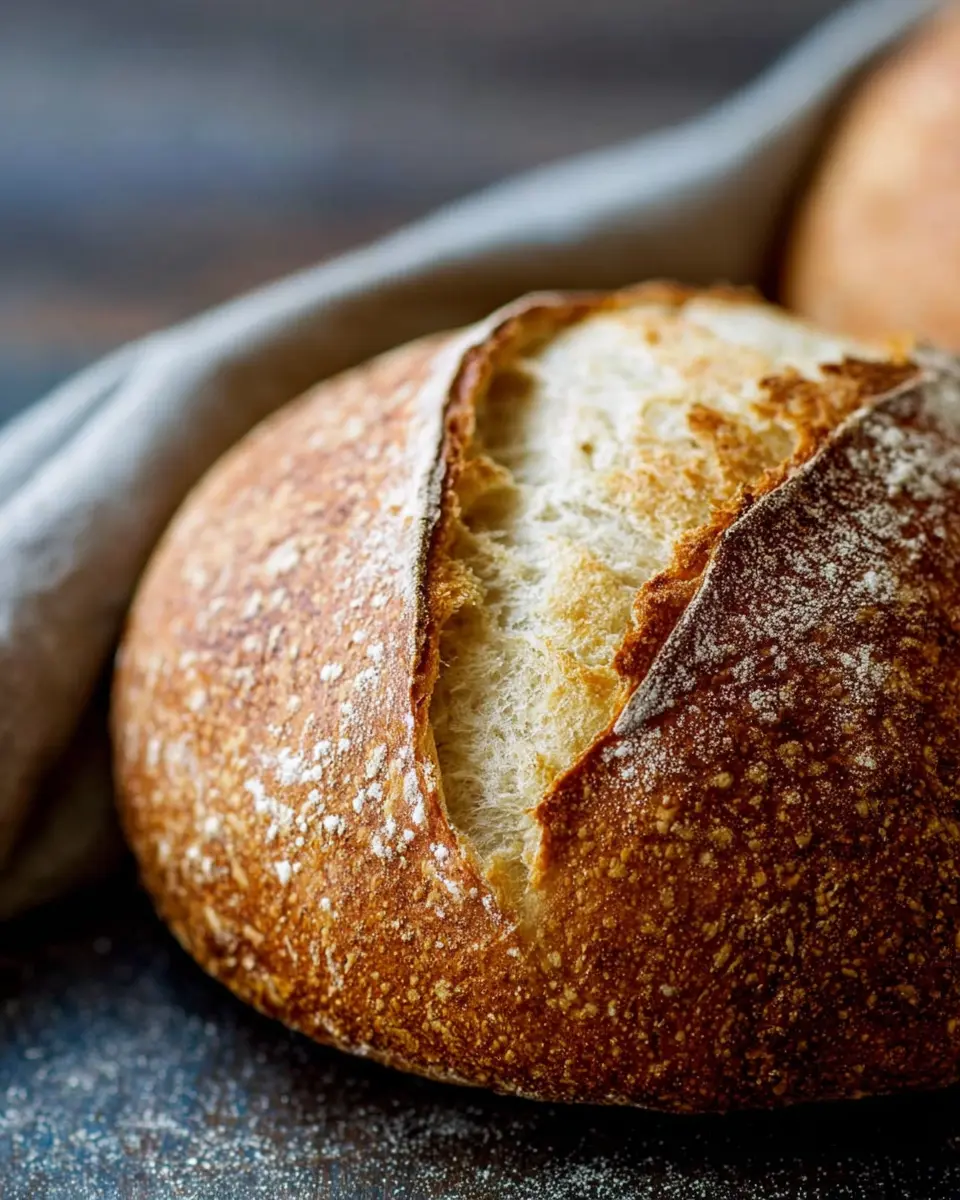
Ingredients for Sourdough Bread
Essential ingredients for the perfect loaf
To craft a delightful loaf of sourdough, you only need five essential ingredients that come together harmoniously. Here’s what you'll need:
- 150g bubbly, active sourdough starter: This is your bread's life force, providing flavor and fermentation.
- 250g warm water: Hydration is key! Adjust this to make your dough more pliable.
- 25g olive oil: My secret ingredient! It helps achieve a soft crumb and a golden crust.
- 500g bread flour: Opt for high-protein bread flour; it’s crucial for that classic chewy texture.
- 10g fine sea salt: Enhances flavor and strengthens gluten.
Optional enhancements for flavor and texture
Want to elevate your sourdough experience? Consider these fun additions:
- Herbs or spices: Fresh rosemary or garlic powder can add depth.
- Seeds or nuts: Think sunflower seeds or walnuts for a pleasant crunch.
- Whole grain flour: Swap a portion of the bread flour for whole wheat for a nuttier taste.
For more tips on creating the perfect loaf, check out resources like King Arthur Baking and the Bread Bakers Guild. Happy baking!
Step-by-Step Preparation of Sourdough Bread
Baking sourdough bread can initially seem daunting, but with a bit of patience and love, you'll soon be crafting your own artisan-style masterpieces. Let’s walk through the process together!
Gather Your Ingredients
Before diving in, ensure you have all your ingredients ready. Here’s what you’ll need:
- 150g bubbly, active sourdough starter
- 250g warm water
- 25g olive oil
- 500g bread flour (not all-purpose)
- 10g fine sea salt
- Fine ground cornmeal or non-stick parchment paper for preventing sticking
Having everything measured out eliminates unnecessary stress and keeps your workflow smooth. Plus, measuring by weight gives more accurate results!
Mix the Dough
In a large bowl, combine your active sourdough starter, warm water, and olive oil. Stir them together using a fork, and then add the flour and salt. Mix until the dough becomes too stiff to mix with a fork. At this point, it’s time to get your hands messy! Knead the dough gently to bring it together. You’ll have a rough, shaggy dough, but that’s perfectly fine.
Bulk Rise (First Rise)
Cover the bowl with a damp towel or plastic wrap. Place it in a warm spot for about 2-4 hours—just enough time for it to double in size! Don’t get too hung up on the clock; it’s all about the dough’s appearance. Looking for tips on warm spots? Check out some great suggestions here.
Stretch and Fold Technique
After 30-45 minutes into the bulk rise, try the stretch and fold technique to build strength in your dough. Gently lift a portion of the dough, stretch it upward, and fold it over itself. Rotate the bowl and repeat until you’ve gone full circle. This technique, plus a couple more sets spaced an hour apart, will significantly improve your dough’s strength.
Shape the Dough
Once your dough has risen, it’s time to shape it. Transfer to a lightly floured surface and fold it over onto itself in sections. When you’ve made a complete circle, flip it over so the seam side is down. To create a tight ball, cup the sides and gently rotate it. This builds surface tension, essential for a great rise in your final bake.
Second Rise
After shaping, let the dough rise again. If you’ve used 250g water, you can place the dough in your Dutch oven and let it rise for 30-60 minutes. Cover it and keep it warm until it’s slightly puffy. Preheat your oven to 450°F (232°C) as it rises.
Score the Dough
Right before baking, use a sharp blade to score a 2-3 inch slash in the center of your dough. This allows the bread to expand while baking and creates an appealing design on your loaf.
Bake to Perfection
Place the bread in your preheated oven, cover with the lid, and reduce the temperature to 400°F (204°C). Bake for 20 minutes with the lid on, then remove the lid and bake for an additional 40 minutes until that lovely golden crust forms. A digital thermometer will help you check if your bread hits 205-210°F (96-98°C) for perfect doneness.
With a bit of practice, you'll be surprised at how delicious homemade sourdough bread can be. Enjoy the process, and relish the aroma of sourdough bread baking in your kitchen!
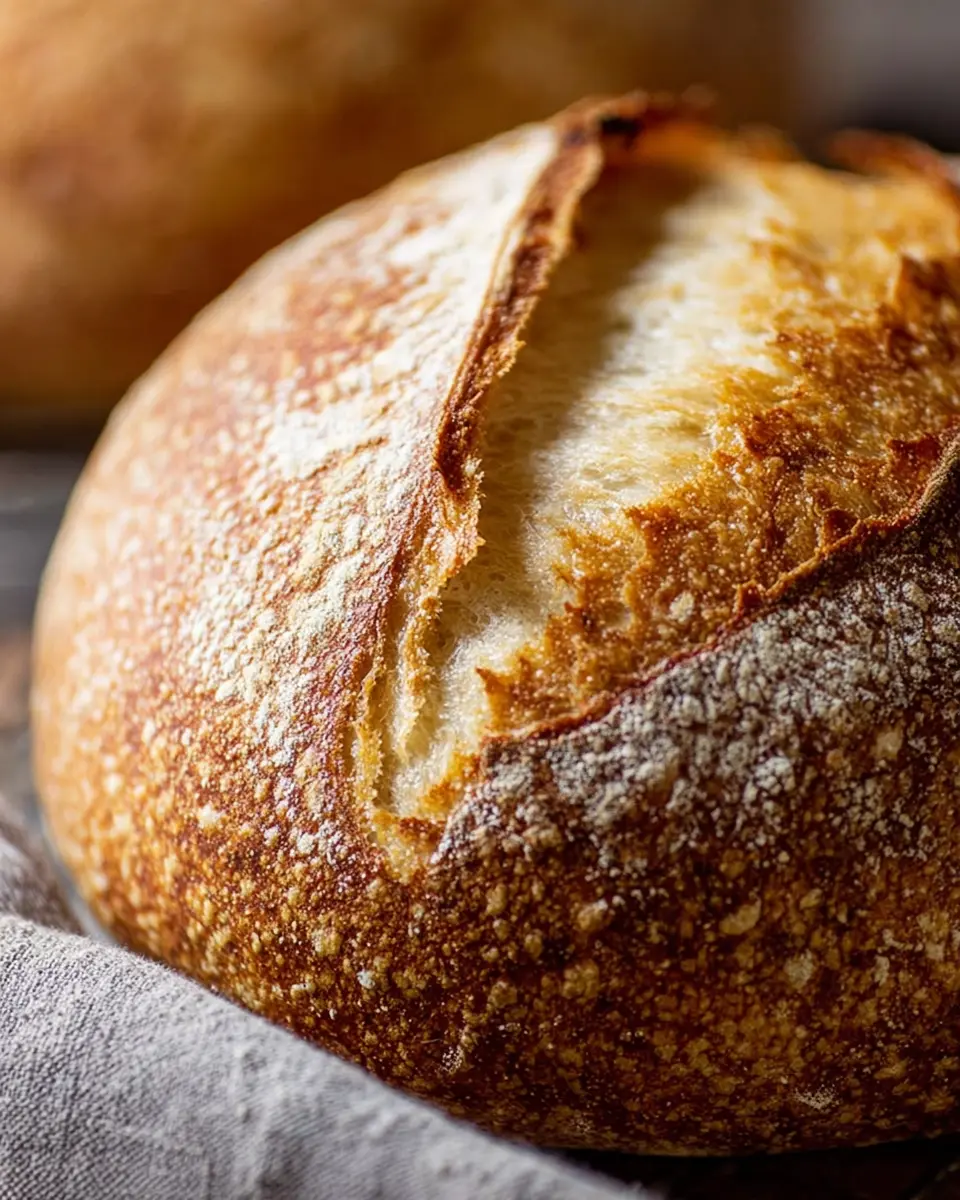
Variations on Sourdough Bread
Add herbs and spices for a twist
Spicing up your sourdough can elevate it from everyday to extraordinary. Consider mixing in fresh herbs like rosemary or thyme, or spices such as garlic powder or cayenne pepper. This not only adds flavor but also personalizes your loaf, making it uniquely yours. Imagine serving a fragrant rosemary and garlic sourdough alongside your favorite soup or salad.
Incorporate different flour types
Experimenting with flour types can truly transform your sourdough experience. Try substituting a portion of the bread flour with whole wheat or rye for a hearty, nutty flavor. If you’re feeling adventurous, consider adding alternative flours like spelt or even ancient grains such as einkorn. These variations not only enhance the taste but also boost the nutritional profile of your bread. For a detailed exploration of flours, check out this guide from King Arthur Baking.
Cooking Tips and Notes for Sourdough Bread
The Importance of Proper Timing and Temperature
When embarking on your sourdough bread beginner guide, timing and temperature are essential. The ambient temperature affects fermentation speed—warmer environments will expedite the process. Aim for an ideal range of 70-75°F (21-24°C) to keep your dough happy. If your kitchen is cooler, like in winter, be patient; rising may take longer—10-12 hours isn't uncommon.
Tools and Equipment That Make a Difference
Investing in the right tools can significantly enhance your sourdough journey. A digital scale ensures accurate ingredient measurements, while a Dutch oven helps create that coveted crust. For shaping, using a bench scraper can simplify handling the dough. If interested in more tips, check out King Arthur Baking for their baking resources!
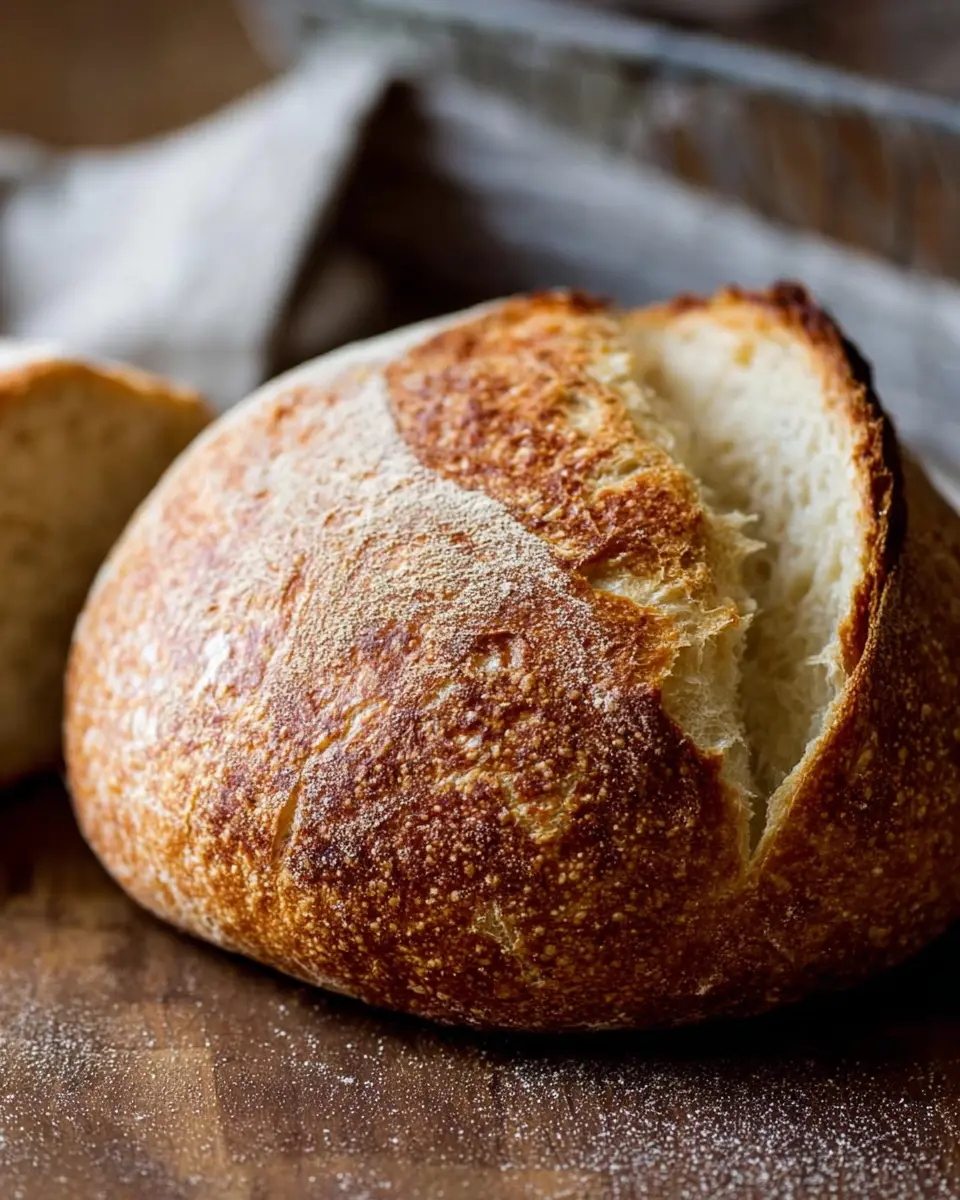
Serving Suggestions for Sourdough Bread
Enjoying your sourdough with spreads and toppings
Sourdough bread is remarkable on its own, but adding dips and spreads elevates it to new heights. Consider trying butter or a drizzle of olive oil paired with balsamic vinegar for a simple yet delightful starter. For a heartier bite, layer on avocado toast, or spread cream cheese topped with fresh herbs. Don't forget about classic peanut butter or almond butter for a quick snack!
Pairing ideas for meals and snacks
Sourdough bread is versatile and complements various meals and snacks. Serve it alongside soup, like a hearty vegetable stew, for a comforting dinner. For lunch, build an exquisite sandwich with Turkey bacon and spinach, or try a savory grilled cheese with gooey mozzarella. Pairing with a homemade hummus or salsa verde also makes for a delightful snack.
By integrating these serving suggestions into your meals, you’ll discover endless possibilities. For more ideas, check out Bon Appétit’s guide to sourdough pairings and inspire your culinary creativity!
Time Breakdown for Sourdough Bread
Preparation Time
Getting started with your sourdough bread doesn’t take long. Set aside about 30 minutes for mixing and resting the dough. This is when you'll combine your starter, flour, water, and salt—an easy task that paves the way for your bread journey!
Rising Time
The real magic happens during the rising time. Depending on the temperature in your kitchen, expect to spend 10-12 hours allowing the dough to rise and develop flavor. This long fermentation is crucial for creating that signature sourdough taste.
Baking Time
Once your dough has risen, it's time to bake! Allocate 1 hour for baking, which includes both covered and uncovered phases. The first part steams the bread, and the latter creates a beautifully crusty exterior.
Total Time
In total, you’re looking at about 14 hours from start to finish. Don’t let the long time deter you! Much of it is hands-off, allowing you to go about your day while your bread rises and bakes to perfection.
Ready to embark on your sourdough bread beginner guide? Follow along for more tips and techniques to master the art of baking!
Nutritional Facts for Sourdough Bread
Calories per slice
A single slice of homemade sourdough bread typically contains around 80 to 100 calories, making it a fairly moderate option for your daily bread intake. This versatility allows you to enjoy your favorite sandwiches or toast without too much guilt.
Fiber content
One of the standout features of sourdough bread is its fiber content. On average, each slice packs about 1 to 2 grams of fiber. High fiber foods are essential for digestive health and can help keep you feeling full longer, making them a wise addition to your meals.
Protein and carb breakdown
In terms of macronutrients, you can expect roughly 3 to 5 grams of protein per slice, alongside about 15 to 20 grams of carbohydrates. These numbers offer a well-rounded energy boost, especially perfect for fueling your busy day while pursuing your passion for baking.
For more comprehensive insights, check out the USDA FoodData Central for detailed nutrition information on your sourdough creations!
FAQs about Sourdough Bread
How do I know when my sourdough is ready to bake?
You’ll know your sourdough is ready when it has almost doubled in size during the bulk rise and feels light and airy to the touch. A good trick is to do the “poke test”: gently press your finger into the dough; if it springs back slowly, it’s ready to bake! If it collapses, give it a bit more time.
Can I store sourdough bread for later?
Absolutely! To store it, wrap your sourdough in a clean kitchen towel and place it in a paper bag for a couple of days. For longer storage, slice the bread and freeze it in an airtight container. Just toast what you need when you’re ready to enjoy it again.
What if my dough doesn’t rise?
If your dough isn’t rising, it might be due to an inactive starter or an environment that’s too cold. Ensure your sourdough starter is bubbly and vigorous before you begin. If your kitchen is chilly, try placing the dough in a warmer spot, like inside an oven with the light on. Don’t hesitate to check out resources like The Kitchn for more tips!
Conclusion on Sourdough Bread
Embracing the art of homemade sourdough
Making sourdough bread is more than just baking; it's about embracing a nourishing tradition. With a little patience and practice, you'll find joy in creating delicious loaves right at home. This sourdough bread beginner guide encourages experimentation and celebrates the uniqueness of every bake. Enjoy the process!
For further inspiration, consider exploring resources like King Arthur Baking or The Perfect Loaf to enhance your sourdough journey.
Sourdough Bread: A Beginner’s Guide
Equipment
- dutch oven
- Digital scale
- mixing bowl
- plastic wrap
- parchment paper
Ingredients
- 150 g bubbly, active sourdough starter
- 250 g warm water (see Note 2)
- 25 g olive oil
- 500 g bread flour (not all purpose flour)
- 10 g fine sea salt
- to dust g fine ground cornmeal or non-stick parchment paper
Instructions
Make The Dough
- In a large bowl, add the sourdough starter, water and olive oil. Mix with a fork to combine, then add the flour and salt. Continue mixing until the dough becomes stiff, then squish it together with your hands to incorporate all the flour.
- Cover the bowl with plastic wrap, reusable wrap, or very damp kitchen towel. Let rest (autolyse) for 30 minutes to 1 hour.
- After resting, return to the bowl and work the dough into a rough ball, about 15 seconds.
Bulk Rise (First Rise or Bulk Fermentation)
- Cover the bowl with lightly oiled plastic wrap. Let it rise in a warm place, ideally 70-75 F. The dough is ready when it no longer looks dense and has almost doubled in size.
- The bulk rise time will be different for everyone.
Optional Step: Stretch & Fold The Dough
- During the bulk fermentation, do a series of ‘stretch & folds’ to strengthen the dough.
Shape The Dough
- Remove the dough onto a lightly floured surface. Fold the dough over toward the center and rotate to create a tight ball.
Second Rise
- Place the dough in a lined Dutch oven and cover, let rise for about 30 minutes to 1 hour.
- Preheat your oven to 450 F/ 232 C.
Score The Dough
- Make a shallow slash in the center of the dough using a bread lame or sharp knife.
Bake The Dough
- Place bread in the oven lid on and bake for 20 minutes, then uncover and bake for another 40 minutes until golden brown.
- Check for doneness with a digital thermometer.
Cool
- Remove the bread from the Dutch oven and cool on a wire rack for at least an hour before slicing.


Leave a Reply