
Introduction to Rice Pilaf
Rice pilaf is a delightful dish that’s gaining popularity among young professionals due to its easy preparation and endless versatility. Whether you're coming home after a long day at work or hosting friends for dinner, rice pilaf offers a satisfying and budget-friendly meal solution. By combining simple ingredients like long grain rice, onions, celery, and aromatic spices, you can create a dish that is both flavorful and comforting.
One of the key advantages of rice pilaf is its adaptability. You can easily customize it to suit your taste or dietary needs. Want to add protein? Toss in some chicken ham or turkey bacon to elevate your dish. Interested in a vegetarian option? Simply omit the meat and play around with your favorite veggies or even some dried fruits for a touch of sweetness.
Moreover, rice pilaf is a meal prep champion. Make a big batch on the weekend, and you’ll have ready-to-heat lunches and dinners throughout the week. For practical tips and variations, check out this comprehensive guide on pilaf. With its balance of flavors and textures, rice pilaf is a dish that’s bound to impress!
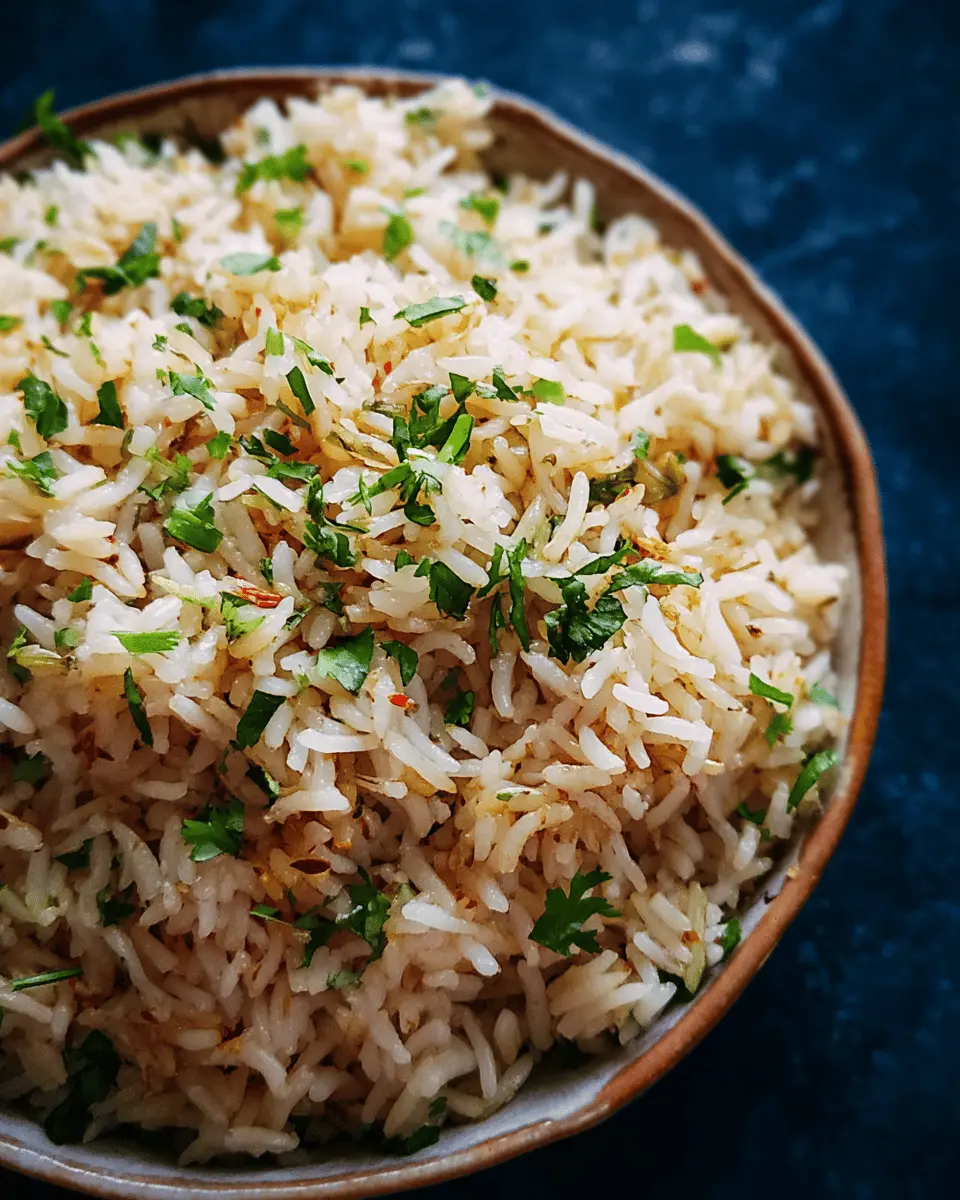
Ingredients for Rice Pilaf
Essential ingredients for delicious rice pilaf
To create a mouthwatering rice pilaf, you'll need a handful of key ingredients that form the backbone of this dish:
- 2 cups white rice (preferably long grain for the best texture)
- 2 teaspoons extra virgin olive oil (or chicken fat for added richness)
- ½ cup chopped onions (green onions or yellow onions add great flavor)
- ½ cup chopped celery (for a subtle crunch)
- Up to 4 cups chicken or vegetable stock (this enhances flavor – feel free to mix with water)
- 2 teaspoons kosher salt or seasoned salt (adjust to your broth's saltiness)
- ¼ teaspoon freshly ground black pepper
- ⅛ teaspoon cayenne (for a gentle spice kick)
- ½ cup chopped fresh parsley (for freshness and color)
Optional ingredients for added flavor and texture
We all love a dish that pleases the palate, and this rice pilaf is no exception! Here are some optional ingredients you might consider:
- Peas (add for color and sweetness)
- Toasted almonds (for a satisfying crunch)
- Raisins (bring a delightful sweetness)
- Sautéed mushrooms (for an umami boost)
- Saffron or turmeric (for a vibrant color and earthy flavor)
These additional elements can elevate your pilaf's flavor and make it even more delightful! Whether you're cooking for a cozy night in or entertaining, this versatile dish can easily adapt to suit any occasion. Want to learn more about using spices to enhance your dishes? Check out Spiceography for insights!
Preparing Rice Pilaf
Cooking rice pilaf is not just about boiling rice; it’s an art. With its rich flavors and fluffy texture, it's the perfect side dish for nearly any meal. Let’s dive into the preparation process!
Gather Your Ingredients
Before we begin, make sure you have all your ingredients in one place. Having everything ready will make the cooking process smoother and more enjoyable. Here’s what you’ll need:
- 2 cups white rice, preferably long grain
- 2 teaspoons extra virgin olive oil (or chicken fat)
- ½ cup chopped green onions or yellow onion
- ½ cup chopped celery
- Up to 4 cups chicken or vegetable stock (a mix of water and stock is fine)
- 2 teaspoons kosher salt or seasoned salt
- ¼ teaspoon freshly ground black pepper
- ⅛ teaspoon cayenne (optional for a touch of spice)
- ½ cup chopped fresh parsley for garnish
Heat the Stock
In a saucepan, heat the stock you will use to cook your rice. Depending on your rice type, this can range from 3 ⅓ to 4 cups of liquid. If you’re using homemade stock, you're in for a treat! Homemade stock adds a depth of flavor that really enhances your rice pilaf. For more insight into cooking rice perfectly, check out this useful rice cooking guide.
Brown the Rice
While the stock is warming up, it’s time to get your skillet ready. Heat a large skillet over medium-high heat and add the olive oil. Once it shimmers, toss in your uncooked rice. This step is crucial - browning the rice gives it a nutty flavor and a beautiful golden hue. Stir frequently for a couple of minutes before adding the chopped onions and celery. Cook until the onions soften, infusing the rice with aromatic goodness.
Add Vegetables and Spices
Next, it’s time to season and add flavor. Sprinkle in the salt, pepper, and cayenne. Remember, if you're using canned broth, taste it first — it might already be seasoned!
Combine Stock and Rice, Then Cook
Once your rice is browned and aromatic, it’s showtime! Carefully pour in the heated stock. Bring the mixture to a gentle simmer, reduce the heat, cover the pan, and let it cook according to your rice’s package instructions (generally between 15 to 25 minutes). Avoid lifting the lid during this period; it’s tempting, but it’s crucial for the rice to steam properly!
Let It Sit and Fluff
After the cooking time is up, remove the skillet from heat and let it sit for about 10 minutes. This resting period helps to settle the flavors. Finally, uncover and fluff the rice with a fork, gently mixing in the chopped parsley.
And there you have it – a beautiful, fluffy rice pilaf that’s ready to shine on your dinner table! Consider adding some toasted almonds or raisins for extra flair. Enjoy your culinary masterpiece!
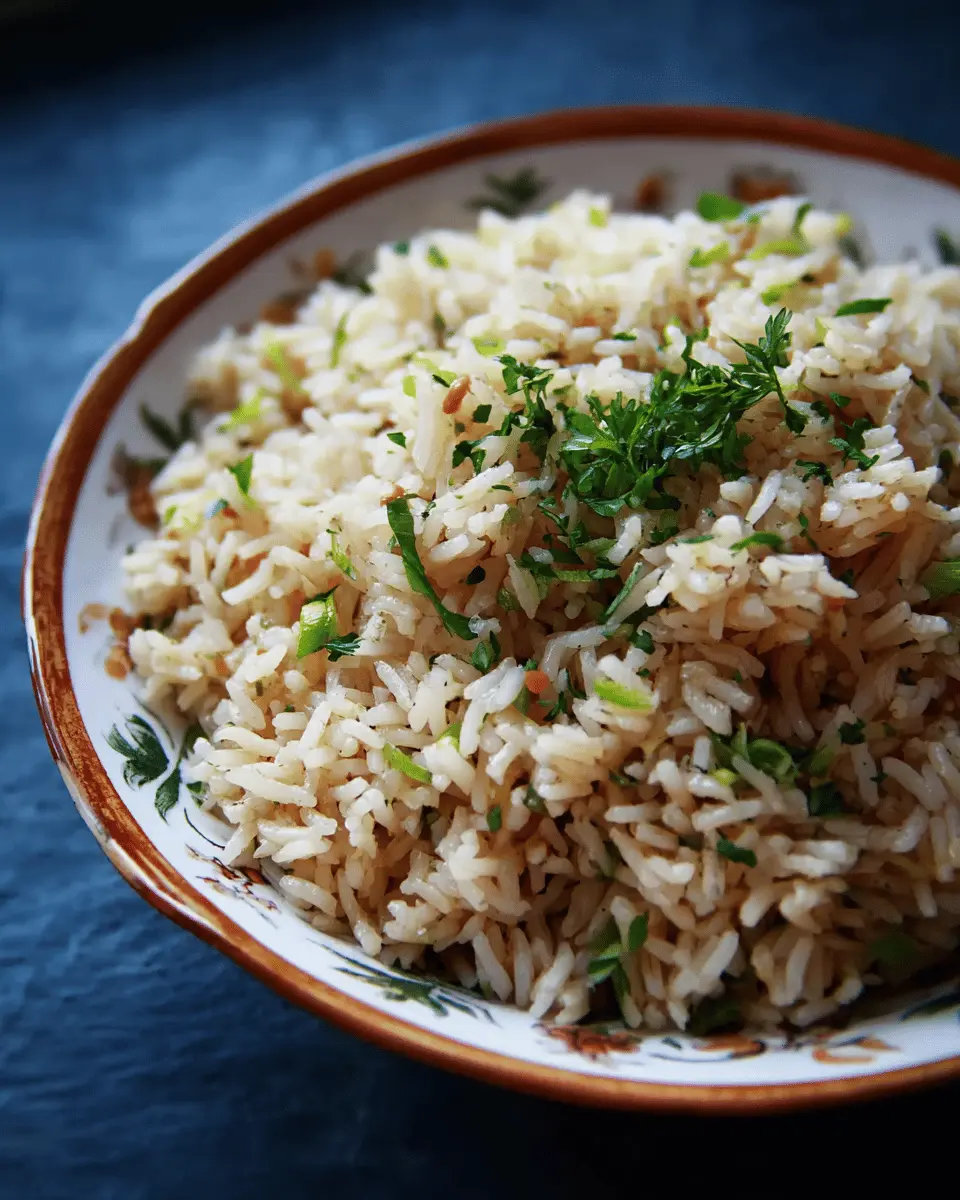
Variations on Rice Pilaf
Mediterranean Rice Pilaf with Veggies
Elevate your rice pilaf experience by incorporating an array of Mediterranean vegetables. Think sun-drenched ingredients like cherry tomatoes, bell peppers, and zucchini tossed into the mix. Sauté these colorful additions alongside onions and celery, allowing their flavors to meld beautifully. Finish it off with a sprinkle of oregano and a drizzle of lemon juice for a fresh, zesty kick. This version is perfect as a side for grilled chicken or fish, bringing vibrant Mediterranean flair to your table.
Spiced Rice Pilaf with Dried Fruits and Nuts
For a rice pilaf that dances on your palate, try adding spiced elements such as cinnamon and cardamom, along with a medley of dried fruits and nuts. Raisins or dried apricots introduce a touch of sweetness that perfectly complements the savory notes. Toasted almonds or pistachios add a delightful crunch—perfect for impressing guests at your next gathering! Served warm, this pilaf pairs excellently with roasted meats or as a hearty vegetarian main dish.
Experiment with these variations to find your favorite twist! For more ideas, check out this article on different rice pilafs.
Cooking Tips for Rice Pilaf
Best practices for perfect rice texture
To achieve the ideal texture for your rice pilaf, start with rinsing the rice until the water runs clear. This helps remove excess starch, resulting in fluffy grains. Browning the rice in olive oil (or chicken fat) not only adds flavor but also enhances the texture, preventing it from becoming sticky. Additionally, allowing the rice to rest covered for 10 minutes after cooking helps it firm up, ensuring perfect individual grains.
How to enhance flavor profiles
Enhancing the flavor profile of your rice pilaf can be simple! Instead of plain water, always opt for chicken or vegetable stock as your cooking liquid for an enriched taste. Incorporate spices like cumin or turmeric for warmth, or add aromatics such as garlic and fresh herbs, particularly parsley. If you're feeling adventurous, toss in some sautéed veggies or nuts to elevate both texture and flavor. Don't forget to check out this guide on using spices in rice dishes for even more inspiration!
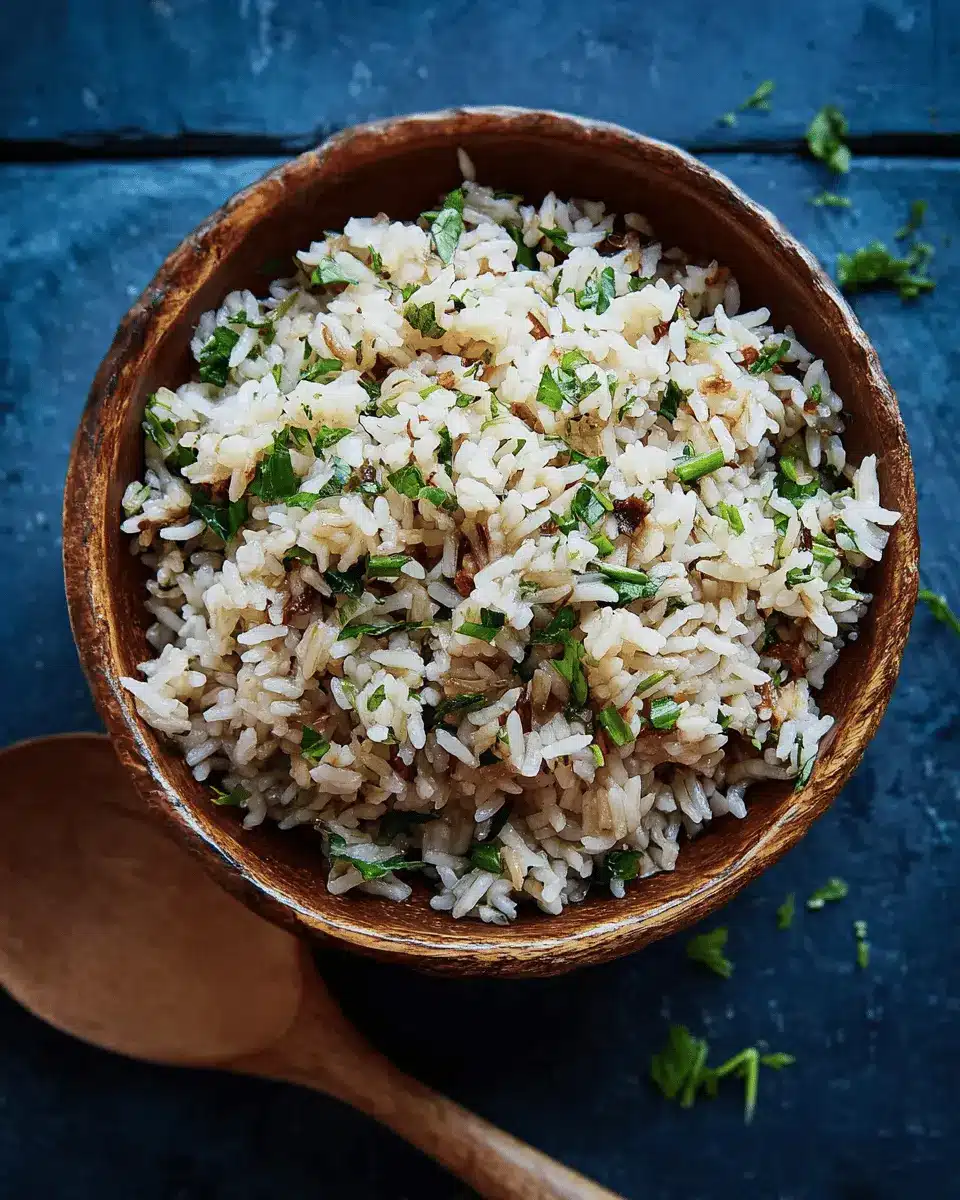
Serving Suggestions for Rice Pilaf
Pairing Rice Pilaf with Proteins
Rice pilaf is a versatile side that pairs beautifully with a variety of proteins. Consider serving it alongside grilled chicken, juicy turkey bacon, or flavorful chicken ham for a delightful meal. For a plant-based option, try it with grilled tofu or a hearty chickpea dish. These protein options not only complement the richness of the pilaf but also round out your meal with a satisfying balance.
Creative Ways to Serve Rice Pilaf
Get creative with your rice pilaf! You can serve it as a base for stir-fries, topped with sautéed vegetables, or use it as a stuffing for bell peppers. Mixing in toasted nuts or dried fruits like raisins can elevate the flavors and add texture. If you’re feeling adventurous, try adding a splash of lemon juice or a sprinkle of feta cheese for an unexpected twist that your taste buds will thank you for! For more inspiration, check out these rice pilaf variations.
Time Breakdown for Rice Pilaf
Preparation Time
Getting everything ready for your rice pilaf takes about 15 minutes. This includes chopping your onions and celery, measuring out your rice, and preparing your stock. A little organization here makes the cooking process much smoother.
Cooking Time
Once you start cooking, the rice pilaf will take about 25 minutes. This includes browning the rice and letting it absorb the stock.
Total Time
In total, you’re looking at 40 minutes from start to finish. With a little bit of multitasking, like heating the stock while browning the rice, you'll have a delicious dish in no time! If you're curious about making variations or additional tips, check out this resource.
Nutritional Facts for Rice Pilaf
Calories per serving
Each serving of rice pilaf contains approximately 110 calories, making it a hearty yet light side dish suitable for various meals.
Key nutrients provided
Beyond its delightful taste, this dish packs a nutritional punch with:
- 3g of fat for healthy energy
- 17g of carbs to fuel your day
- 4g of protein to support muscle health
This well-rounded combination makes rice pilaf not only delicious but also a great addition to your diet! For those looking to boost the nutrient profile, consider adding veggies or lean proteins like grilled chicken or turkey bacon.
For more insights on the benefits of rice and recipes, check out Healthline's guide on the nutritional benefits of rice. Also, feel free to explore ways to customize your rice pilaf with seasonal veggies from your local farmer's market!
FAQs about Rice Pilaf
How do I prevent my rice pilaf from being sticky?
The secret to preventing sticky rice pilaf is all in the rinsing. Before cooking, wash your rice under cold water until the water runs clear; this removes excess starch that leads to stickiness. Additionally, toasting the rice in oil before adding your liquid helps create a firmer texture. If you’re using a rice variety that tends to clump, consider selecting long-grain rice like basmati, which remains fluffy and separate.
Can I make rice pilaf in advance?
Absolutely! Rice pilaf is perfect for meal prepping. Once cooked, allow it to cool completely before transferring it to an airtight container. It can be stored in the fridge for up to four days or frozen for longer storage—just make sure to reheat it slowly on the stove or in the microwave. Adding a splash of water during reheating can help restore that moist texture.
What are some common substitutions for the ingredients?
If you’re missing an ingredient or two, don’t worry! You can substitute:
- Olive oil: Use butter or coconut oil for a different flavor.
- Chicken broth: Vegetable broth or even water can work in a pinch.
- Onion and celery: Feel free to use any aromatic vegetables like bell peppers or carrots for added flavor and color.
For more tips on ingredient swaps, check out this helpful guide!
Conclusion on Rice Pilaf
Cooking rice pilaf is an art that transforms simple ingredients into a hearty and flavorful dish. This recipe serves as a versatile base—perfect for any meal. Experiment with herbs, nuts, or even veggies to personalize it! Enjoy the journey and savor every delicious bite you create!
Rice Pilaf
Equipment
- saucepan
- large skillet
Ingredients
- 2 cups white rice preferably long grain
- 2 teaspoons extra virgin olive oil or chicken fat
- ½ cup chopped green onions or yellow onion
- ½ cup chopped celery
- Up to 4 cups chicken or vegetable stock or a mix of water and stock
- 2 teaspoons kosher salt or seasoned salt
- ¼ teaspoon freshly ground black pepper
- ⅛ teaspoon cayenne
- ½ cup chopped fresh parsley
Instructions
- Heat the stock in a saucepan.
- Brown the rice and add the onions and celery.
- Add the salt, pepper, and cayenne.
- Add the stock and cook the rice.
- Fluff with a fork and stir in the parsley.




Leave a Reply